
Start With the Recipient's Taste
Before choosing a decorative piece, think about the recipient's existing style and interests. Does the person prefer understated natural textures or bold symbolic ornament? A gift that suits a quiet meditation corner may feel out of place in a busy shared room. Consider what the person already displays and whether the gift would complement or duplicate it. Ask gently about favourite colours, motifs, or themes rather than guessing from trends. If the recipient keeps a private practice, respect that privacy and avoid items that are hard to store discreetly. Where specific details matter, such as finish, size, or included components, check the product listing rather than relying on the name alone. Personal relevance usually matters more than novelty.
Plan the Display Space First
Decorative items need a home, so picture the intended space before committing. A shelf, side table, or windowsill may already be crowded, and a larger piece could overwhelm a small surface. Think about height, footprint, and whether the item needs to sit flat or hang. Consider how the gift will look alongside existing objects and whether the recipient rotates decorations seasonally. If the piece is meant for a shared area, weigh how visible the theme should be. For items that may be stored between uses, a pouch or box can help keep things organised, so check the listing for what is included. Measure the available space and compare it with the listed dimensions where provided.
Compare Formats and Components
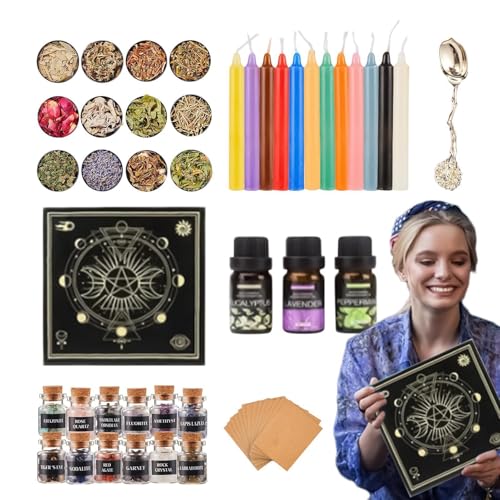
Similar-looking gifts can differ greatly in format. One item might be a single decorative object, while another is a set of tools or supplies with many parts. Ask whether the recipient prefers one considered piece or a broader starter collection. Sets can be useful for someone exploring a new interest, but they also demand storage and organisation. Single items are easier to place and less likely to duplicate what someone already owns. Look at the listed contents to understand what is actually included, and note whether the item is decorative or intended for use. If the listing describes materials, finishes, or care guidance, read those details carefully. Matching the format to the person's habits is more useful than choosing the largest option.
Check the Listing Before Purchase
Names can be evocative without giving practical information, so treat the product listing as the reliable source. Read the description for what is included, how the item is presented, and any notes on intended use. Check listed measurements against the planned display area, and confirm colour or finish if it matters to the recipient. Look for guidance on assembly, hanging, or storage where relevant. Reviews and ratings should not be assumed, so avoid treating them as a promise. If the listing is unclear about a detail that affects the gift, ask the seller before buying. This is especially important for decorative pieces where appearance and scale drive satisfaction. A few minutes of checking prevents a gift that cannot be displayed.
Organise and Present the Collection
A thoughtful gift includes a plan for how it fits into the recipient's collection. Group similar items together, such as decorative pieces for one shelf and tools for a storage box. Keep small components in labelled pouches or containers so they are easy to find. If the gift adds to an existing set, consider how it will sit with the rest and whether the recipient has room to expand. Presentation matters too: a simple cloth or pouch can make the gift feel considered without overstating what it does. Avoid promising outcomes or implying the item is essential. Instead, offer the gift as a decorative or practical addition and let the recipient decide how to use it.